
Facial Harmonization · Surgical
Otoplasty for children and adults with prominent ears
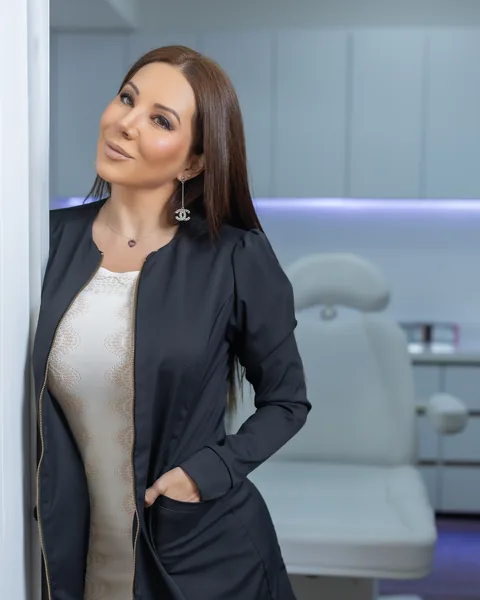
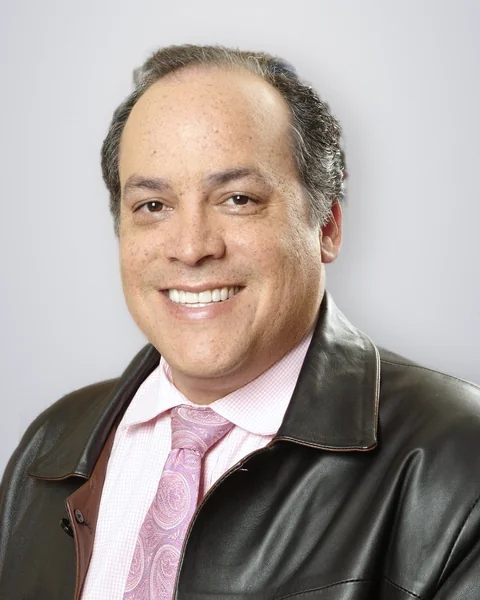
Sometimes the consultation starts with a mom or dad who is concerned about the shape of their daughter's or son's ears. Other times, with an adult who has styled their hair the same way all their life. We understand. Otoplasty works on the cartilage to bring the ears closer to the head or improve their shape. Dr. Thuel and Dr. Juan Ramón Poveda, Physician and Surgeon, Specialist in Plastic, Reconstructive and Aesthetic Surgery, support each patient and their family together.
Medical consultation · US$100, VAT included. This amount is applied in full toward your treatment or procedure if you formalize it with your payment on the same day or within the following seven calendar days. It can be the full payment or a first payment of more than US$100. Booking it does not commit you to having surgery.
Every consultation is handled personally by Dr. Thuel and Dr. Poveda, so their availability is limited. We suggest booking in advance.

- Duration
- 1 to 2 hours
- Recovery
- School or work in 1 to 2 weeks
- When it shows
- Final result in a few months
- How long it lasts
- Usually long-lasting
Proportion before change.
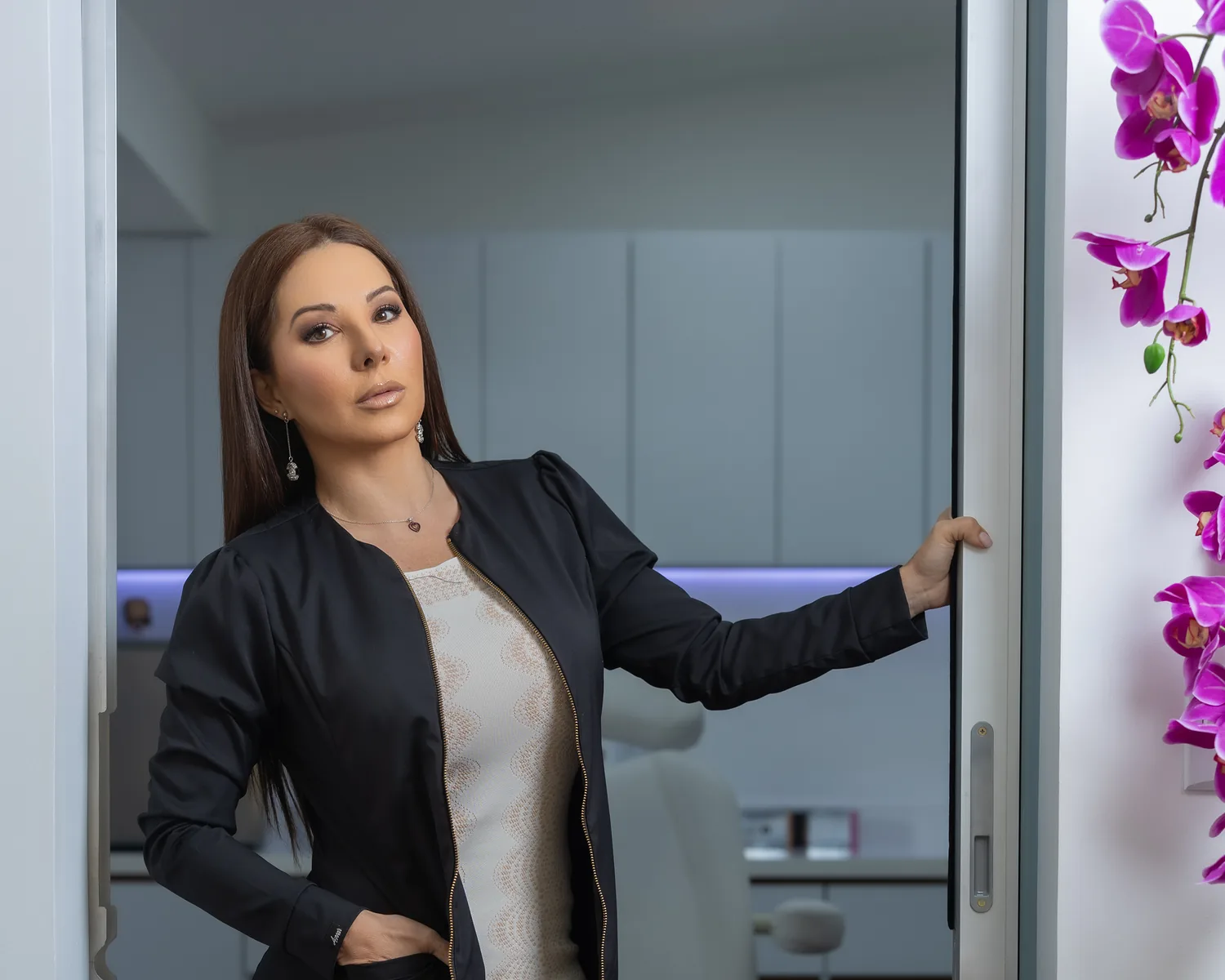
Dr. Irene Thuel · Physician and Surgeon, Expert in Aesthetic Medicine and Surgery · MED10355
The essentials before you decide
What Otoplasty involves, step by step
General information so you arrive at your consultation with a clear idea. It may vary in your case; Dr. Thuel and Dr. Poveda will confirm it at your consultation.
It may be right for you if…
- You always style your hair so that it covers your ears.
- Avoids wearing their hair up or certain hairstyles because of their ears.
- You would like to ask about the shape of your daughter's or son's ears.
- You notice that one ear sticks out more than the other.
- You want to wear your hair the way you like, comfortably.
- What it is
- A surgery that brings the ears closer to the head or improves their shape by working on the cartilage.
- How it is done
- Usually through an incision behind the ear. The cartilage is reshaped and held in place with internal stitches.
- Advantages
- After infancy, it is the option that actually changes the cartilage. The scar is usually behind the ear, and the change is usually long-lasting.
- Who performs it
- Dr. Irene Thuel and Dr. Juan Ramón Poveda Xatruch, plastic surgeon, working as a team in the operating room.
- Anesthesia and discomfort
- General anesthesia is usually used in children; in teenagers and adults, often local anesthesia with sedation. The ears remain tender and sore for several days; the discomfort is usually relieved with pain medication. The physicians will tell you which anesthesia applies in your case.
- Duration
- Usually between 1 and 2 hours.
- Hospital stay
- It is an outpatient procedure: you go home the same day, after a few hours of observation and with a companion.
- Recovery and care
- A bandage is worn for the first few days, followed by a headband at night for several weeks. Non-absorbable stitches are usually removed between 5 and 10 days. Most people return to school or work in 1 to 2 weeks. Swimming after 4 to 6 weeks; contact sports at around 8. It is advisable to wear the headband while sleeping, avoid bumps to the ears and not wash your hair until the bandage is removed.
- When it shows
- The new position can be seen when the bandage is removed, while there is still swelling. The final result is usually seen in a few months, once the ear is no longer stiff and the scar has matured.
- How long the result lasts
- The change is usually long-lasting. In some people, the ear moves slightly outward again and needs a touch-up.
- Who should not have it
- It is not recommended for children under 5 years of age or with an active ear infection. Nor with bleeding disorders or conditions that are not properly treated. The two physicians review this at the consultation.
- Follow-up visits
- Usually in the first few days to remove the bandage, then for the stitches, and over the following months. The dates are set by the two physicians.
Position and shape
What can be corrected in the ears
Prominent ears
Bringing very prominent ears closer to the head.
Ear shape
Poorly defined cartilage folds or shapes that draw attention.
The difference between the two
For both ears to look more alike.
Children and adults
A decision often made as a family
When the patient is a child, the two physicians determine the appropriate age for surgery, and the decision is discussed with the family. For an adult, the consultation helps determine whether otoplasty makes sense and what can be improved.
Consultation
Dr. Thuel and Dr. Poveda review each case together. If the patient is a child, they come with their mother, father or caregiver.
What can be improved
Both review the cartilage and the position of each ear. Then they explain what can be corrected and what the risks are.
Preparation and surgery
First, the tests. The two physicians determine the technique and anesthesia for each case, and they are together in the operating room.
Follow-up visits
The scar behind the ear and the progress of recovery are checked, according to the medical evaluation.
Scar and aftercare
What the family should know about ear surgery
Like any surgery, ear surgery leaves a scar and involves discomfort and risks. We explain them from the first appointment, to you and, if applicable, to your daughter or son.
What to expect
- The incision is usually behind the ear.
- At first, the ears are swollen and tender.
- Care to protect the area, including while sleeping.
Discomfort and risks
- Bleeding, infection, scarring, asymmetries or anesthesia complications.
- In some people, the scar may thicken.
- Changes in sensation or the need for a touch-up.
At home, the family takes care of aftercare and protecting the ears. At the clinic, it helps us when you tell us everything about the patient's health. The diagnosis, the technique and the follow-up visits are our responsibility.
Beyond the ears
If you are also interested in treating other areas of the face
Important to know: after the newborn stage, there is no real non-surgical alternative for changing the position or shape of the ears.
Is this surgery right for you? At the consultation, Dr. Thuel and Dr. Poveda review your case together and tell you frankly whether it suits you and what it involves. The consultation costs US$100, VAT included, which is applied in full toward your treatment or procedure if you formalize it with your payment on the same day or within the following seven calendar days. It can be the full payment or a first payment of more than US$100.
Frequently Asked Questions
Our most frequently asked questions about otoplasty
Can ears be corrected without surgery?
In newborns, ear molding is an option. After that stage, there is no real non-surgical alternative: fillers, botulinum toxin and skin technologies do not change the cartilage.
Can it be done in children?
Yes, in children and adults. Surgery is usually performed from age 5 or 6, when the ear has nearly reached its adult size. The two physicians confirm the appropriate age, and the decision is made together with the family.
Is there a visible scar?
The incision is usually behind the ear and tends to be barely visible. In some people it may thicken.
What is the cost of otoplasty?
It depends on what each ear needs. We give you the cost at your consultation, before you make any decision.
The consultation costs US$100, VAT included. If you decide to have a medical treatment or procedure, that amount is applied in full toward your treatment or procedure when you formalize it with your payment on the same day as the consultation or within the following seven calendar days. It can be the full payment or a first payment of more than US$100.
When can I return to my routine?
Most people return to school or work in 1 to 2 weeks. Swimming can usually be resumed after 4 to 6 weeks, and contact sports at around 8 weeks. This may vary in your case; Dr. Thuel and Dr. Poveda will explain how to protect your ears.
Who performs the surgery?
You are cared for by a team, for both adults and children: Dr. Irene Thuel and Dr. Juan Ramón Poveda Xatruch, MED5800. Both take part in the consultation, the plan, the operating room and the follow-up visits, and Dr. Poveda performs the surgery together with her. If the patient is a child, their family is present at every step.
To wear your hair the way you like
At the consultation, Dr. Thuel and Dr. Poveda listen to you and your family and calmly explain what can be improved. It is the first step, and they take it together.
Medical consultation · US$100, VAT included. This amount is applied in full toward your treatment or procedure if you formalize it with your payment on the same day or within the following seven calendar days. It can be the full payment or a first payment of more than US$100.
Every consultation is handled personally by Dr. Thuel and Dr. Poveda, so their availability is limited. We suggest booking in advance.