
Facial Harmonization · Surgical
Blepharoplasty for heavy eyelids and bags that won't go away
You sleep well, but in photos your eyes look tired, and people ask if you've been resting. Often the cause is in the eyelids: excess skin above, bags below, or both. Blepharoplasty removes that excess and aims for a more open look, without changing the shape of your eyes. Dr. Thuel and Dr. Juan Ramón Poveda, Physician and Surgeon, Specialist in Plastic, Reconstructive and Aesthetic Surgery, listen to you and accompany you together at every step.
Medical consultation · US$100, VAT included. This amount is applied in full toward your treatment or procedure if you formalize it with your payment on the same day or within the following seven calendar days. It can be the full payment or a first payment of more than US$100. Booking it does not commit you to having surgery.
Every consultation is handled personally by Dr. Thuel and Dr. Poveda, so their availability is limited. We suggest booking in advance.


- Duration
- 45 minutes to 2 and a half hours
- Recovery
- Office work in 1 to 2 weeks
- When it shows
- First change at 2 weeks
- How long it lasts
- Long-lasting; aging continues
Proportion before change.
Dr. Irene Thuel · Physician and Surgeon, Expert in Aesthetic Medicine and Surgery · MED10355

The essentials before you decide
What Blepharoplasty is like, step by step
General information so you arrive at your consultation with a clear idea. It may vary in your case; Dr. Thuel and Dr. Poveda will confirm it at your consultation.
It may be right for you if…
- You look at yourself in photos and your eyes look more tired than you feel.
- You feel that the skin of your eyelid is heavy, especially at the end of the day.
- People ask if you slept badly, even though you rested.
- You notice bags under your eyes that nothing gets rid of.
- You want a more open look while still looking like yourself.
- What it is
- A surgery that removes excess skin from the eyelids. If needed, it also removes or repositions the fat pads.
- How it is done
- On the upper lid, the incision usually goes in the natural crease of the eyelid. On the lower lid, it can go just below the lashes or on the inside of the eyelid.
- Advantages
- It removes excess skin, something no non-surgical treatment can achieve. The upper scar usually stays hidden in the eyelid crease.
- Who performs it
- Dr. Irene Thuel and Dr. Juan Ramón Poveda Xatruch, plastic surgeon, working as a team in the operating room.
- Anesthesia and discomfort
- It is usually performed under local anesthesia with sedation; in some cases, under general anesthesia. Discomfort is usually mild to moderate, with tightness and burning the first few days; it is generally relieved with pain medication and cold compresses. The doctors will tell you which anesthesia is right for your case.
- Duration
- Generally between 45 minutes and 2 and a half hours, depending on whether the upper eyelids, the lower ones or both are operated on.
- Hospital stay
- It is outpatient: you go home the same day, after a few hours of observation and with a companion. It is advisable to have someone stay with you the first night.
- Recovery and care
- Stitches are usually removed 5 to 7 days later; swelling and bruising go down in about 2 weeks. In general, you return to the office in 1 to 2 weeks and to intense exercise after 2 to 3 weeks. It is advisable to sleep with your head elevated, wear sunglasses against the sun and avoid contact lenses and eye makeup for about 2 weeks.
- When it shows
- A first change is visible at 2 weeks, when the bruising goes down. The final result is usually seen in a few months, once the swelling has resolved and the scar has matured.
- How long the result lasts
- It is usually long-lasting, although natural aging continues. Over the years, the skin of the upper eyelid may loosen again.
- Who should not have it
- It is not usually recommended with severe dry eye, glaucoma or untreated thyroid disease, or during pregnancy. Heart problems, diabetes or smoking increase the risk. Both doctors review this at the consultation.
- Follow-up visits
- Generally, one in the first week to remove stitches and others in the following months. The dates are set by both doctors.
Upper, lower or both eyelids
What eyelid surgery can correct
Upper eyelid
Skin that droops over the eye and sometimes gets in the way of your vision.
Lower eyelid
Bags under the eyes and excess skin on the lower eyelid.
A more open look
Without changing the shape of your eyes or your expression.
Before eyelid surgery
First we see whether there is excess skin or something else
Dark under-eye circles and crow's feet are not corrected with this surgery; there are usually options without an operating room for those. Blepharoplasty makes sense when there is excess skin or when the bags are prominent. That is exactly what Dr. Thuel and Dr. Poveda review with you.
Consultation
Dr. Thuel and Dr. Poveda examine your eyelids together, with your eyes open and closed.
The plan for your eyelids
Both also look at your eyebrows and the health of your eyes. With that, Dr. Thuel and Dr. Poveda tell you which eyelids should be operated on and which should not.
Tests and operating room
You complete the tests the medical team orders. The two physicians decide on the technique and the anesthesia, and they are together in the operating room: Dr. Poveda operates with Dr. Thuel.
Follow-up visits
Both doctors carry them out, when the medical evaluation calls for it.
About eyelid recovery
What to know about your eyelids before having surgery
No surgery is free of discomfort, scarring or risk, and the eyes are a delicate area. This is what usually happens and what can become complicated.
What to expect
- At first there is swelling and bruising. It is also common to feel tightness and sensitivity to light.
- The result becomes visible little by little, as the swelling goes down.
- The upper eyelid incision usually sits in the natural crease.
Discomfort and risks
- Bleeding, infection, scarring, asymmetries or anesthesia complications.
- Dry eye, irritation or difficulty closing the eyes.
- Changes in the lower eyelid and, very rarely, in vision.
It helps us a lot if you tell us everything about your health (medications, eye discomfort) and follow the home-care instructions. The diagnosis, the technique and the follow-up visits are our responsibility.
If your eyelids don't need it
For under-eye circles and crow's feet, there is another path
Is this surgery right for you? At the consultation, Dr. Thuel and Dr. Poveda review your case together and tell you frankly whether it suits you and what it involves. The consultation costs US$100, VAT included, which is applied in full toward your treatment or procedure if you formalize it with your payment on the same day or within the following seven calendar days. It can be the full payment or a first payment of more than US$100.
Frequently Asked Questions
What we are asked most about blepharoplasty
Am I a candidate for blepharoplasty?
That is determined at the consultation. If there is skin drooping over the eye or prominent bags, no non-surgical treatment can remove them. If what bothers you is under-eye circles or crow's feet, a non-surgical option may be enough.
Will people notice I had surgery?
We aim for a more rested look that preserves the shape of your eyes and your expression. The upper incision usually sits in the natural crease of the eyelid.
Will it hurt?
At first you will feel discomfort, tightness and swelling. Dr. Thuel and Dr. Poveda determine the anesthesia and the care for your comfort according to your case.
What is the investment for a blepharoplasty?
It depends on whether the upper eyelids, the lower eyelids or both are operated on, and on what your case needs. We tell you the investment at the consultation, before you make any decision.
The consultation costs US$100, VAT included. If you decide to have a medical treatment or procedure, that amount is applied in full toward your treatment or procedure when you formalize it with your payment on the same day as the consultation or within the following seven calendar days. It can be the full payment or a first payment of more than US$100.
When can I return to my routine?
In general, most people return to office work 1 to 2 weeks later. Bruising usually goes down in about 2 weeks, and intense exercise is resumed after 2 to 3 weeks. Your case may vary; Dr. Thuel and Dr. Poveda will explain what care to take.
Who performs my surgery?
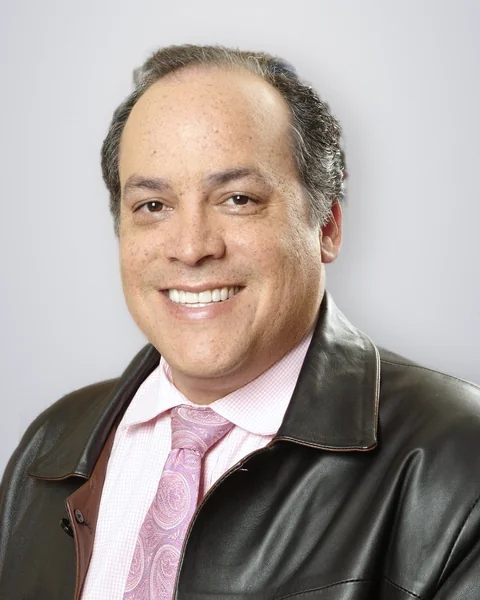
You are cared for by a team: Dr. Irene Thuel, Physician and Surgeon, Expert in Aesthetic Medicine and Surgery, and Dr. Juan Ramón Poveda Xatruch, MED5800. Both take part in the consultation, the plan, the operating room and the follow-up visits, and Dr. Poveda performs the surgery together with her. This way your eyelids are planned together with the rest of your face.
So your eyes reflect how you feel
At the consultation, Dr. Thuel and Dr. Poveda examine your eyelids together and tell you frankly whether surgery makes sense. If a non-surgical option suits you better, they will tell you that too.
Medical consultation · US$100, VAT included. This amount is applied in full toward your treatment or procedure if you formalize it with your payment on the same day or within the following seven calendar days. It can be the full payment or a first payment of more than US$100.
Every consultation is handled personally by Dr. Thuel and Dr. Poveda, so their availability is limited. We suggest booking in advance.